Yoga & Qigong
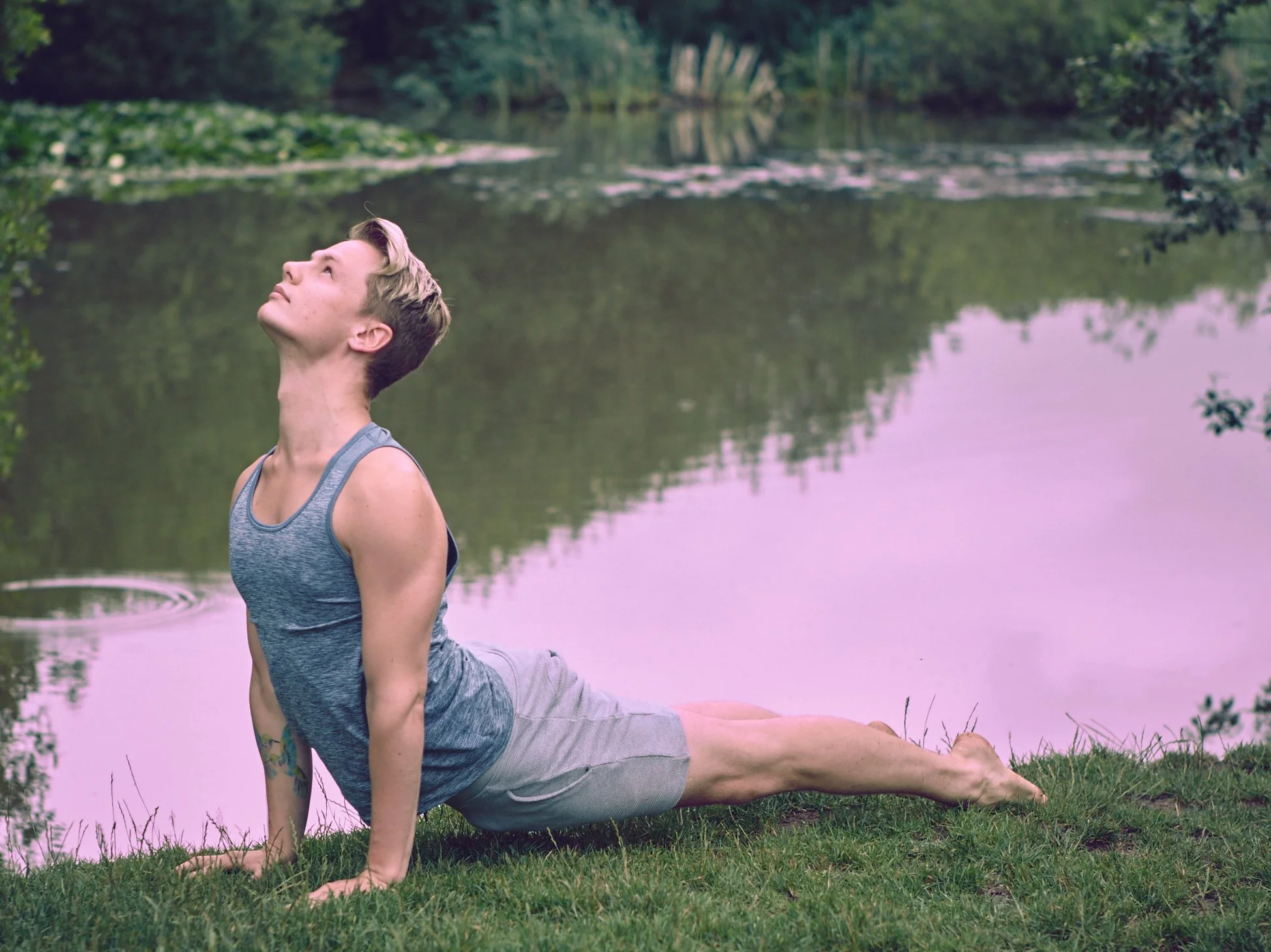
Vinyasa Flow Yoga
My favourite interpretation of the Sanskrit word Vinyasa is “to place in a special way”. The primary focus onVinyasa Flow is the synchronisation of breath and movement; creating a moving meditation.
Sequencing can be inspired by many themes such as “peak” posture, philosophical ideas or even particular movements or parts of the body, which can help cultivate “Dharana” (a sense of soft focus and steadiness in the mind and body.)
PUBLIC VINYASA CLASSES:
Fridays 8:30-9:30 am - BREEZE YOGA - Beckenham. Saturdays 8:50-9:50am - JAGS SPORT - Dulwich
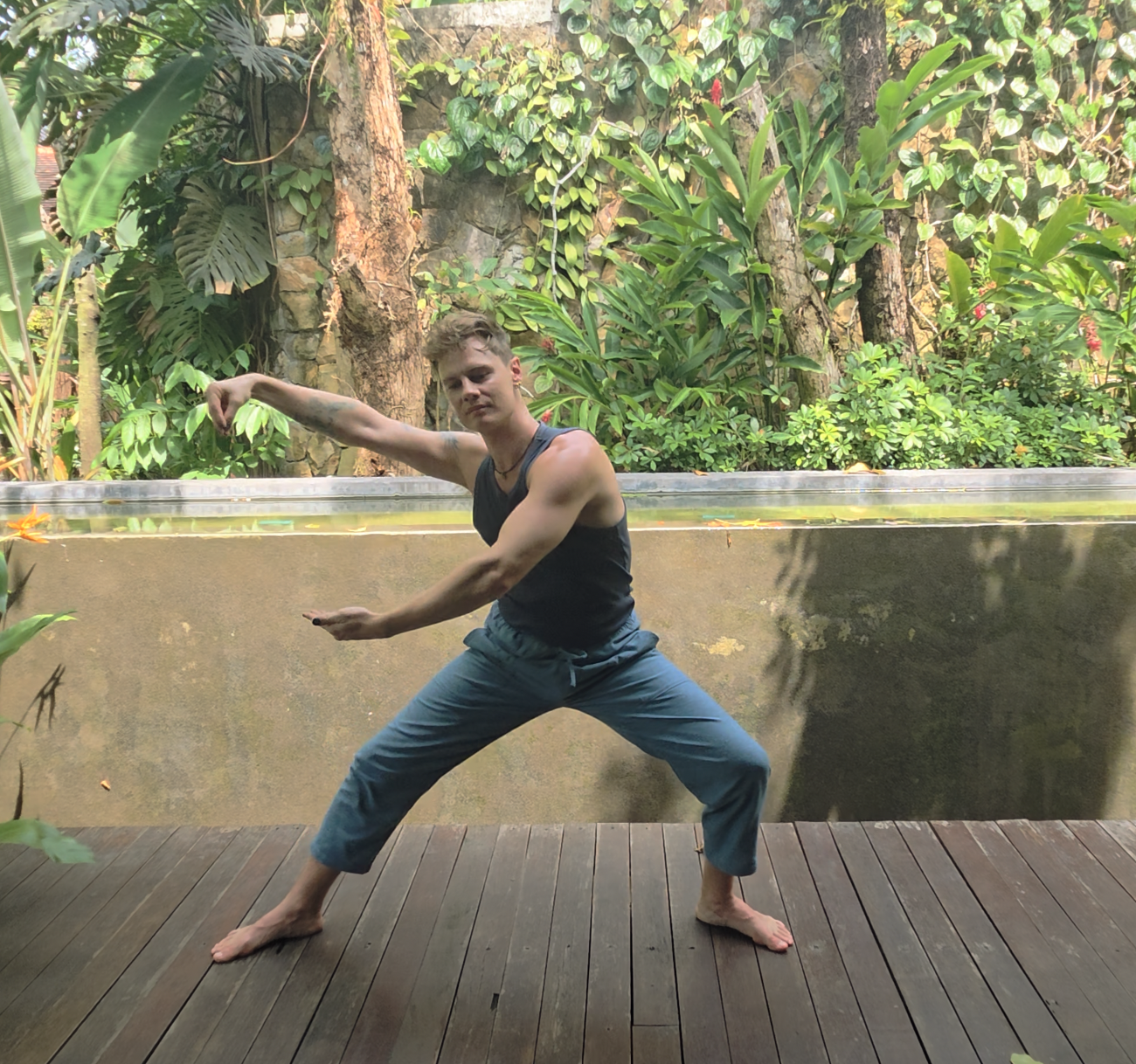
PUBLIC QIGONG CLASSES:
Thursdays (from March 19th) 8:30am-9:30am - CARNEGIE LIBRARY HUB - N.Dulwich/ Herne Hill/ Denmark Hill.
book via: dbreakyoga@gmail.com (Drop-ins also welcome) click here for more info
Saturdays 11:30am-12:30pm & 12:40-13:40pm - JAGS SPORTS - Dulwich (6 week courses - book by clicking here.)
Qigong.
Qigong is an energy cultivation practice. Qi (pronounced “Chi”) means vital energy and Gong means to cultivate.
Qigong is a branch of Chinese Medicine where slow, gentle and repetitive movements are practiced in order to warm tendons, ligaments, and muscles; tonify vital organs and connective tissue; and promote circulation of body fluids (blood, synovial, lymph).
The smooth and gentle nature of Qigong also helps to support the central nervous system by activating the parasympathetic state (rest and digest), aiding in our ability to mentally and physically recover from the daily stress and stimuli of the fast paces world around us, and its affects over our general wellbeing.
** To learn more about Qigong you can click here and try one of my online Youtube practices :) **
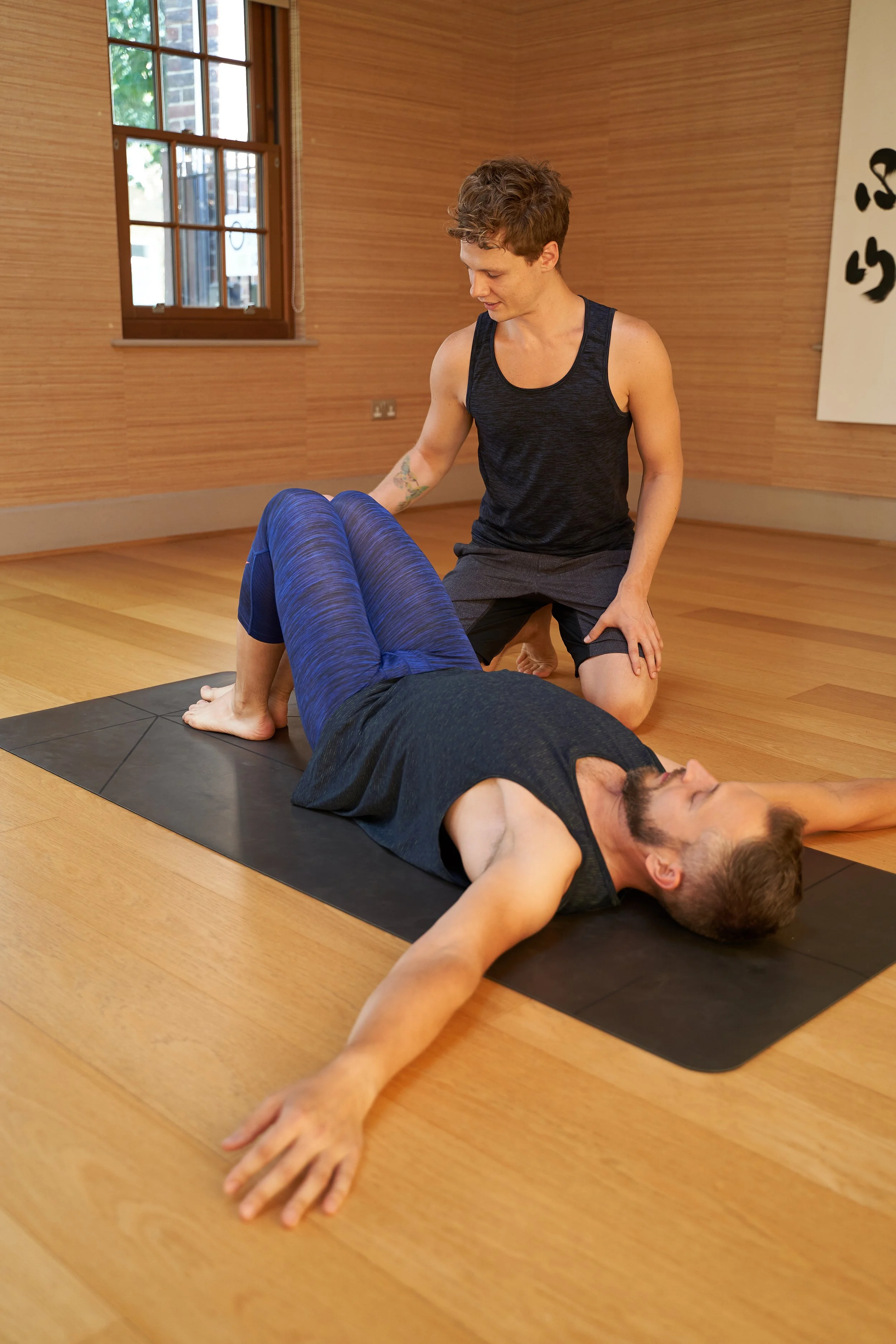
Yin Yoga.
In Yin yoga, postures are held for a longer periods time, often 3 to 5 minutes and sometimes longer. Meeting the intensity of a stretch with less mental resistance helps the practitioner to foster a deep sense of steadiness and connection to what lies beneath the busy narratives of the mind. Many props are used in Yin yoga to aid in finding the sweet spot ,that is the balance between the edge of the stretch and the ability to completely let go.
Yin Yoga is also largely influenced by daoism and chinese five element theory. Therefore principles of mindfulness and meridian theory are often weaved through this class to inspire students to foster more intimate connections with their mind, body and spirit.
PUBLIC YIN CLASSES:
Tuesdays 7pm-8pm - YOGAHOUSE - Catford Sundays 11:30am-12:30pm - KINDRED - Deptford
Enquire & Connect
Want to work with me 1:1 or host me as a guest teacher at one of your events or trainings? I would love to hear from you!